Located along the North Carolina coast near Jacksonville, Marine Corps Base Camp Lejeune is one of the Marine Corps’ largest and most important installations. Known as the “Home of Expeditionary Forces in Readiness,” Camp Lejeune is home to II Marine Expeditionary Force, 2nd Marine Division, 2nd Marine Logistics Group, and numerous other combat units and support commands.
But what is it like to call Camp Lejeune home? From housing and healthcare to schools, employment, recreation, and coastal weather, here’s what servicemembers and military families should know before settling in.
1. There Are Plenty of Housing Options
Whether you’re PCSing on your own or with family, Camp Lejeune offers several housing options and resources to help you find the right fit.
- Family housing: Camp Lejeune offers privatized family housing for eligible servicemembers and their families through two partners: Hunt Military Communities and Liberty Military Housing. Housing is located in several communities throughout Camp Lejeune and nearby Marine Corps Air Station New River, with options varying by rank, family size, and availability.
- Unaccompanied housing: Housing is also available for eligible single and unaccompanied servicemembers. Assignment to unaccompanied housing depends on factors such as rank, duty assignment, and availability, so check with your unit or the Camp Lejeune Military Housing Office for current guidance.
- Community housing: Prefer to live off base? The Housing Office can help you explore housing in Jacksonville and other surrounding communities.
When weighing your options, consider more than the home itself. Camp Lejeune is a large installation, so your commute can vary considerably depending on where you live and where you’re assigned. Your BAH, schools, access to childcare and amenities, and preferred community can all factor into where you choose to live.
2. Support Is Available to Help You Settle In
A PCS comes with plenty of logistics, but you don’t have to navigate them all on your own. Camp Lejeune-New River’s Information, Referral, and Relocation program connects servicemembers and families with resources both on and off the installation.
Relocation support includes information about housing, schools, healthcare, recreation, and other local resources. Families can also attend a Welcome Aboard Brief, get help planning their PCS, request a sponsor, and use the Lending Locker for basic household items while waiting for household goods to arrive.
And support doesn’t end once the boxes are unpacked. Marine Corps Community Services offers programs covering everything from family readiness and financial education to new parent support and services for families with special medical or educational needs.
3. Military Healthcare Is Available Right on Base
Servicemembers and eligible family members have access to Naval Medical Center Camp Lejeune, a major military medical facility located aboard the installation.
The medical center supports Marine Corps and Navy commands at Camp Lejeune along with eight branch medical clinics. It provides healthcare for active-duty servicemembers, families, retirees, and other eligible beneficiaries and also serves as a Level III Trauma Center.
For families, having a major medical center on the installation can make accessing routine and specialty care more convenient. As with any PCS, however, it’s a good idea to update your TRICARE information and determine your new primary care arrangements soon after arriving.
4. Families Have Both On- and Off-Base School Options
Families with school-age children have several education options around Camp Lejeune.
Children who live with their military sponsor in permanent base housing are eligible to attend one of the area’s Department of War (DoW) Education Activity schools, which serve students from pre-K through high school.
Families living off base are generally served by Onslow County Schools or one of the private schools available in the area.
If you’re trying to determine which option makes the most sense, a Camp Lejeune School Liaison officer can help with school transitions, district and boundary information, transferring records and credits, registration, extracurricular activities, and other education-related questions.
5. Childcare is Available From Infancy Through School Age
Camp Lejeune offers several childcare programs for eligible military families, including Child Development Centers, Family Child Care, and School Age Care. Offerings include full-time and hourly care, before- and after-school care, emergency childcare, and care for children with special needs.
Full-time childcare options are available for children as young as six weeks, while school-age programs serve older children. Youth and teen programs give families additional options as children grow.
6. Military Spouses Can Find Employment Support
A PCS can bring plenty of changes for military spouses, including the challenge of finding work in a new location. Fortunately, Camp Lejeune offers resources to help make the job search a little easier.
The Family Member Employment Assistance Program provides military spouses and other eligible family members with career guidance, job-search resources, and employment support. Whether you’re looking for a new position, exploring career options, or preparing for your next move, the program can help you navigate the employment challenges that often come with military life.
Spouses can also explore employment opportunities in Jacksonville and throughout the surrounding region. Depending on your career field and willingness to commute or work remotely, looking beyond the immediate installation area can broaden your options.
7. The Beach Really Is Part of Base Life
One feature that sets Camp Lejeune apart from many duty stations is its location on the North Carolina coast.
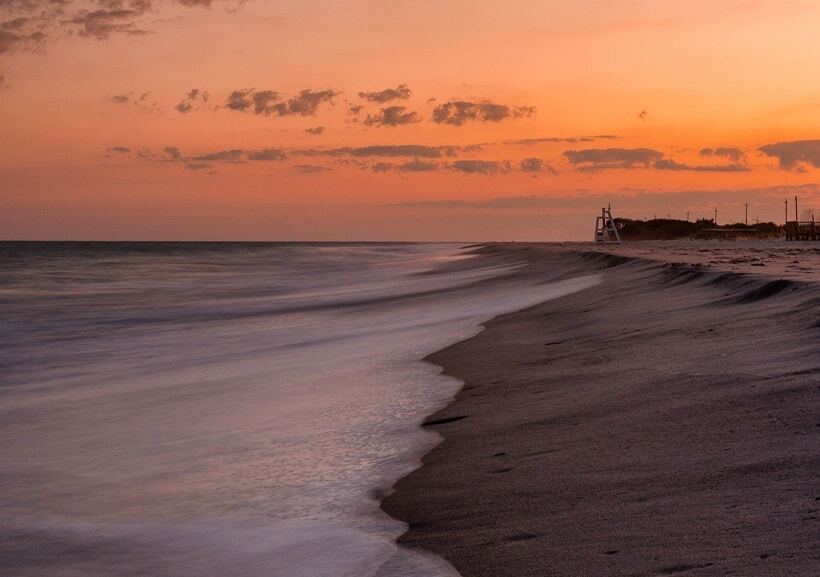
The installation includes 14 miles of Atlantic Ocean beachfront, and authorized patrons can take advantage of Onslow Beach for swimming, fishing, camping, and family outings. The recreation area includes lodging and RV camping, pavilions, sports courts, and guarded swimming areas during the summer season.
Beyond the installation, coastal North Carolina offers even more opportunities to spend time in nature. Beaches, waterways, boating, fishing, and other outdoor activities can all become part of life during a Camp Lejeune assignment.
8. Jacksonville Is Right Outside the Gate
Camp Lejeune sits next to Jacksonville, North Carolina, a community with strong ties to the military. Together with the surrounding installations, the area is home to the world’s largest concentration of Marines and sailors. That military presence is a big part of life in Jacksonville, where you’ll also find plenty of everyday conveniences off base, including shopping, restaurants, healthcare services, and entertainment.
For a bigger-city day trip, Wilmington is roughly 50 miles from Camp Lejeune. The historic riverfront city offers restaurants, shops, museums, and cultural attractions, while nearby Wrightsville Beach provides another option for a day along the coast.
9. Coastal Weather Means Preparing for Hurricane Season
If you’re moving from a different part of the country, eastern North Carolina weather may take some adjustment.
Summers are generally hot and humid, while winters tend to be relatively mild compared with northern duty stations. But living near the Atlantic also means hurricane and tropical storm preparedness should be part of your routine.
Camp Lejeune’s annual tropical cyclone preparedness period runs from June 1 through November 30. Installation guidance encourages families to prepare an emergency kit, develop an evacuation plan, gather important documents, and know where to find official storm information.
If you arrive during hurricane season, getting familiar with evacuation routes and installation emergency communications early can help you feel more prepared before severe weather threatens the area.
10. Camp Lejeune Has a Long and Important Marine Corps History
Camp Lejeune has been part of Marine Corps history for more than 80 years.
The installation was established in 1941, originally as Marine Barracks New River. Near the end of 1942, it was named Camp Lejeune in honor of Lt.Gen. John A. Lejeune, the 13th Commandant of the Marine Corps.
Its history also includes Montford Point, where the first African American Marines trained beginning during World War II. From 1942 until the desegregation of the armed forces, African American Marines underwent recruit and advanced training at Camp Lejeune.
Today, the installation remains closely tied to the Marine Corps’ expeditionary mission. Its coastal location, extensive training areas, and access to the Atlantic have helped make Camp Lejeune a major center for amphibious and ground training for generations of Marines.
Making Camp Lejeune Home
A new duty station always comes with a learning curve, but Camp Lejeune offers an established military community and a wide range of resources to help make the transition easier.
Between extensive family support programs, on-base schools and healthcare, employment resources, and access to North Carolina’s coast, there’s plenty to explore once you arrive. Whether you’re headed to Camp Lejeune on your own or with your family, learning about your options early can help you settle in — and make the most of your time in eastern North Carolina.