.svg)
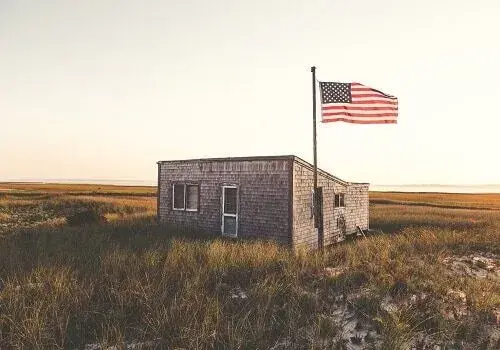
Located on Cape Cod, Camp Edwards is a major Massachusetts Army National Guard training site and the Army component of Joint Base Cape Cod (JBCC). The installation supports National Guard and Army Reserve units from across New England, with facilities for everything from small-arms and maneuver training to urban operations and simulation-based exercises. Camp Edwards also supports civilian first responders and other military organizations that use the site for training.
Camp Edwards is part of the larger Joint Base Cape Cod, a 22,000-acre joint-use installation that includes the Massachusetts Air National Guard, US Coast Guard, and US Space Force. Its Upper Cape location puts servicemembers and military families close to beaches, historic New England communities, and destinations throughout southeastern Massachusetts.
But what is it like to call the Camp Edwards area home? From housing and healthcare to schools, childcare, employment, and life on Cape Cod, here’s what servicemembers and military families should know before settling in.
There Are Housing Options for Different Needs
Whether you’re PCSing on your own or with family, servicemembers assigned to the Camp Edwards area have several housing options available through the Joint Base Cape Cod Housing Office and the surrounding community.
- Family housing: Joint Base Cape Cod has 161 government-owned housing units managed by US Coast Guard Base Cape Cod. The housing area includes two-, three-, and four-bedroom townhomes and single-family homes in a wooded setting, with private yards, playgrounds, and nearby MWR and Exchange amenities. Both Coast Guard and eligible Department of War (DoW) personnel can apply for military family housing.
- Unaccompanied housing: Camp Edwards offers billeting for personnel training at the installation, including Bachelor Officer Quarters. Depending on assignment and eligibility, unaccompanied personnel may also have access to government quarters through Base Cape Cod. Incoming servicemembers should check with their unit and the housing office to determine which options and requirements apply to them.
- Community housing: Prefer to live off base? The Base Cape Cod Local Housing Office can provide information about housing in the local area. Servicemembers from other branches should contact their local housing authority before securing housing in the private sector, as release requirements may apply.
One important consideration is cost and availability. Off-base rentals in the Upper Cape can be expensive, particularly in resort areas where summer rental rates are significantly higher and year-round inventory can be limited. It can be helpful to start researching your options as soon as you receive orders and compare your BAH with local housing expenses before deciding where to live.
Support Is Available Across the Joint Base Community
From a PCS move to financial questions and family responsibilities, military life can come with plenty to manage. Eligible personnel and families at JBCC can access a variety of resources through the Coast Guard’s Employee Assistance Program (EAP). Depending on eligibility, resources can include:
- Relocation and housing assistance
- Financial counseling and budgeting resources
- Childcare, eldercare, and parenting support
- Relationship and family support
- Deployment and transition assistance
- Legal and tax consultation
- Stress management and non-medical counseling
- Career and education resources for military spouses
The Coast Guard also maintains EAP staff throughout its districts who can help connect eligible personnel and families with appropriate services and resources.
Whether you need help navigating a move, managing finances or balancing the demands of military and family life, these support resources can provide practical help throughout your assignment.
Healthcare Is Available on Joint Base Cape Cod, But Options Vary by Eligibility
On-base medical needs are primarily served by the Kaehler Memorial Clinic, a US Coast Guard outpatient treatment facility located on Base Cape Cod. The clinic provides routine primary care exclusively for active-duty personnel, along with services such as immunizations, physical therapy, occupational and aviation medicine, physical exams, and limited laboratory testing. Pharmacy services are also available to active-duty personnel and their dependents.
Patients should bring their military ID to appointments and make sure their information is current in DEERS. Because the clinic does not provide comprehensive family or emergency care, dependents, retirees, and eligible Guard and Reserve members generally receive care through civilian providers using their TRICARE coverage.
For emergency or specialty care, active-duty servicemembers may also need to use civilian providers, such as Falmouth Hospital and Cape Cod Hospital.
As with any PCS, TRICARE beneficiaries should update their information and confirm their healthcare options after moving, particularly if ongoing or specialty care is needed.
Where You Live Will Determine Your School Options
For families living in JBCC, Bourne Public Schools is the primary public school district serving school-age children. The district has a designated liaison for military-connected families, who can help families navigate enrollment, school transitions, and other education-related needs.
Families who choose to live off base may be served by a different school district depending on their home address, with nearby districts including Mashpee, Falmouth, and Sandwich. Because school assignments can vary based on where you live, families may want to consider school boundaries alongside commute times, housing costs, and childcare options when deciding where to settle.
Childcare Is Available Through Base Cape Cod
US Coast Guard Base Cape Cod has a Child Development Center offering childcare for children ages six weeks to six years, with part-day, part-week, and full-time options available. Families seeking care can submit requests through MilitaryChildCare.com.
Because childcare spaces can fill quickly, families who know they’ll need care may want to begin researching their options as soon as they receive orders.
Military Spouses Can Tap Into Both Military and Local Employment Resources
A PCS can mean a career transition for military spouses, and the Cape Cod area comes with a somewhat unique employment landscape.
Because JBCC is home to multiple military commands, there are military, federal, civilian, and support positions spread across the installation. Base Cape Cod MWR, for example, hires for non-appropriated fund positions in a variety of roles, and openings are not limited to applicants who already have base access.
Military spouses can also explore federal employment opportunities and career support programs, which are designed to help with a PCS and job search. Resources include military spouse hiring programs, career coaching, resume and interview assistance, and help navigating professional licenses and credentials.
Outside the installation, Cape Cod’s economy includes opportunities in healthcare, education, hospitality, tourism, government, and more. Because work in the area can be seasonal, spouses may want to research employment opportunities early and consider options both on and off Cape.
There Are Plenty of Ways to Stay Active and Connect on Base
Joint Base Cape Cod offers a range of recreational facilities and programs for eligible families. Specifically, Base Cape Cod operates the C-Side Recreation Center, which includes bowling, a private movie theater, a seasonal outdoor pool, ticket and rental services, and other amenities. The installation is also home to the Falcon Golf Club, a nine-hole golf course with a driving range and practice facilities.
Your family may also have access to the Coast Guard Exchange system on JBCC, which includes a main exchange, grocery and package store, Mini-Mart, and other services.
Cape Cod Gives You Plenty to Explore
One of the biggest advantages of a Camp Edwards assignment is the location.
Cape Cod is known for its beaches, coastal towns, seafood, biking, boating, fishing, and other ways to spend time outside. From the Upper Cape, you can explore communities such as Falmouth, Sandwich, Mashpee, and Bourne without traveling far from the installation.
Head farther down the Cape and you’ll find destinations ranging from Hyannis and Chatham to the Cape Cod National Seashore and Provincetown. Ferries to Martha’s Vineyard and Nantucket open up even more possibilities for day trips and weekends away.
And when you’re ready for a change of scenery, Boston and Providence are both within reach for bigger-city attractions, museums, sports, dining, and entertainment.
Just keep Cape Cod’s popularity in mind when planning summer travel. Roads, beaches, restaurants, and attractions can get significantly busier during peak vacation season, so a little advance planning can go a long way.
Expect a True New England Climate with a Coastal Influence
If you’re arriving from a warmer duty station, prepare for four distinct seasons.
Cape Cod’s location along the Atlantic helps moderate temperatures compared with some inland parts of Massachusetts. Summers are generally warm but not excessively hot, while winters are cold, windy, and can bring snow and coastal storms.
Spring and fall can be particularly pleasant, although conditions can change quickly near the water. The Cape’s coastal location also means wind, rain, and storms can affect travel and daily routines throughout the year.
If you’re new to New England, keeping an eye on seasonal forecasts and preparing your home and vehicle for winter weather can make the transition easier.
Camp Edwards Has Been Training Servicemembers for Generations
The history of military training on Upper Cape Cod stretches back to the early 1900s, when Massachusetts National Guard Soldiers began using the area for training exercises.
The Commonwealth moved toward establishing a permanent military training site in the 1930s, and construction began after the site was selected in 1935. Camp Edwards was formally dedicated in 1938 and named for Major General Clarence Edwards, who commanded the 26th “Yankee” Division during World War I.
The installation expanded significantly during World War II, when the US Army leased Camp Edwards and used the site as part of a major mobilization and training effort.
Today, Camp Edwards remains an important regional training center. Its mission focuses on providing the ranges, maneuver areas, simulation facilities, logistical support, and other resources needed to prepare military units for missions at home and abroad. At the same time, much of the installation’s northern training area is part of the Upper Cape Water Supply Reserve, where military training is conducted alongside efforts to protect drinking water and wildlife habitat.
Making Camp Edwards Home
A new duty station comes with plenty to learn, and Camp Edwards is somewhat different from a traditional stand-alone Army installation. As part of JBCC, servicemembers and families share a larger military community with the Coast Guard, Air National Guard, and Space Force while also having access to communities throughout the Upper Cape.
Whether you’re arriving on your own or with a family, getting familiar with your housing, healthcare, schools, childcare, employment, and support options early can help you settle in — and make the most of your time on Cape Cod.


.webp)